

Latest News
More News
-
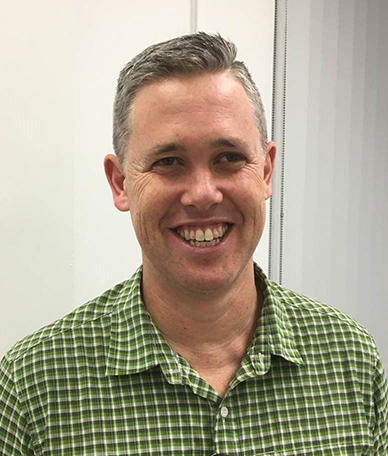 Celebrating our dedicated staff! 10 November 2020 Public Health A/Clinical Nurse Manager, Lance Jarvis, has been named MHPHDS Employee of the Quarter (EOQ) for October. At a celebratory afternoon tea with his colleagues, Lance was presented with a $150 gift voucher, an EOQ badge and certificate of recognition for his outstanding contribution to our health service. Director of Public Health, Jo Fagan, said Lance went “above and beyond” in his role as acting Clinical Nurse Manager. “This has undoubtedly been one of the most challenging years on record for those of us working in health,” Jo said. “With COVID-19 demanding the full attention of so many of our public health staff, Lance has ensured our core public health activities have continued. “This has been an incredibly important job and one Lance has done extremely well.” Jo went on to say that at a time when staff were feeling tired and under ...
 -
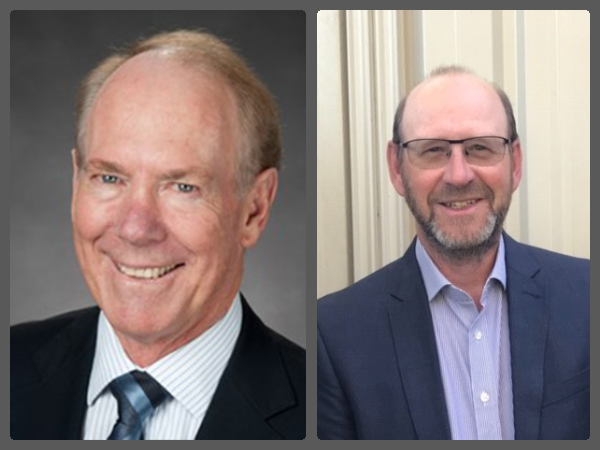 Congratulations - Australian of the Year Nominees 07 November 2020 Congratulations to two of our well-respected and deserving staff who have been announced as Western Australian Nominees for the 2021 Australian of the Year Awards. Professor William Carroll is a leading national and global neurologist leading Sir Charles Gairdner Hospital’s (SCGH) Neurology department, former president of the Australian and New Zealand Association of Neurologists and current president of the World Federation of Neurology. For more than 30 years, Professor Carroll has been influential in multiple sclerosis (MS) research and treatment. Clinical Professor Mark Newman is an exceptionally skilled and compassionate cardiothoracic surgeon leading the Cardiothoracic Surgery department at SCGH and oversaw the development of a second cardiothoracic unit at the hospital – from managing upgrades in infrastructure to securing trainee positions. Mark changed the face of pa...
 -
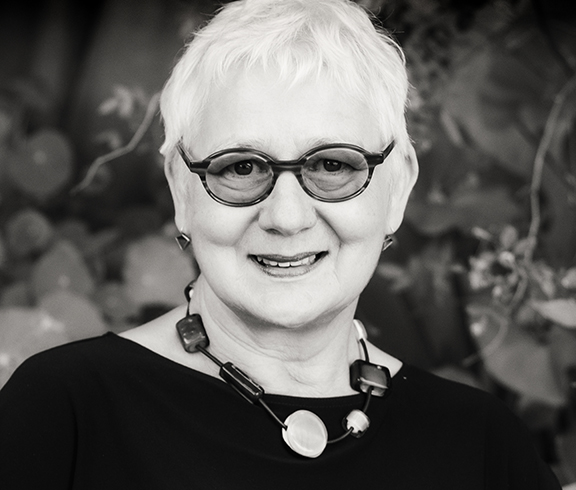 Professor Vera Morgan wins prestigious mental health award 06 November 2020 Mental Health, Public Health and Dental Services (MHPHDS) epidemiologist, Professor Vera Morgan, has been awarded the prestigious '2020 Society for Mental Health Research Founders Medal'. Vera (pictured) has been a psychiatric epidemiologist with MHPHDS for 12 years, and has a special interest in schizophrenia and other psychotic disorders. Her cross-disciplinary approach to the study of psychotic illnesses along with her strong desire to help unravel the complex nature of these disorders has resulted in improved patient outcomes. The 'Society for Mental Health Research Founders Medal' recognises Vera’s excellence in research, the impact it has had, and her leadership and contribution to mental health research in Australia and New Zealand. The awards are run by the Society for Mental Health Research, the peak national body for psychiatric and mental health research in Australia an...
 -
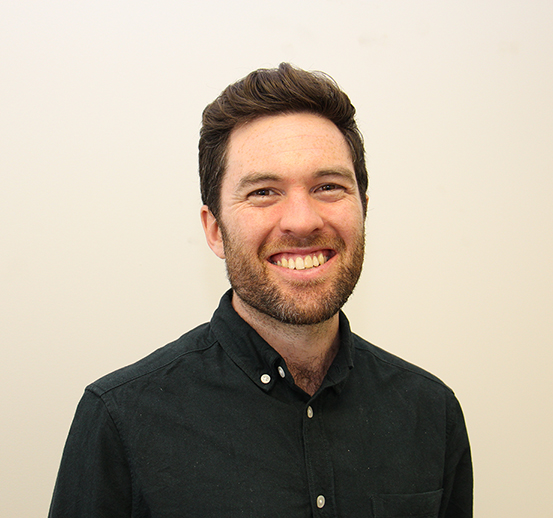 Celebrating our staff! 26 October 2020 Congratulations to NMHS Corporate Communications Graphic Designer Cameron Pretsel on being named NMHS Corporate Employee of the Quarter! On top of Cam's already monumental task-load including creating new and updating existing NMHS publications, in the last six months Cam has created and implemented the new NMHS Style Guide. The new NMHS Style Guide is fresh and modern and Corporate Communications has received many compliments on the "new look". The flow-on effect of the new style created extra work for Cam that is always received with his pleasant and welcoming can-do attitude. He always seeks the best for the "client", fellow NMHS employees, and in doing so nothing is too much trouble for him. Cam was also recently tasked with assisting with the NMHS Annual Report and Strategic Plan documents, two very detailed and important pieces for the health service. Cam managed to re-prioritise ...
 -
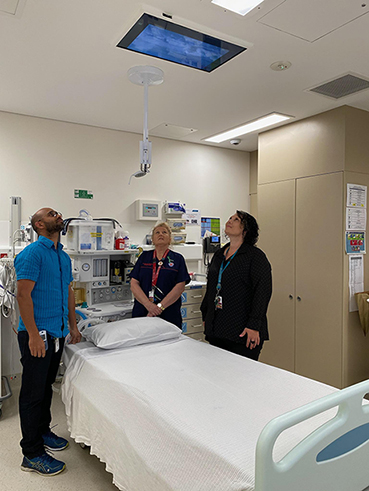 IF Success - Anxiety reducing images for patients having ECT 23 October 2020 Anxiety related to receiving Electroconvulsive Therapy (ECT) is very common with 14%-75% of patients affected. There are very few interventions that have been implemented to reduce the management of this form of anxiety. Patients who present to the Sir Charles Gairdner Hospital Day Procedure Unit to undergo ECT experience varying levels of anxiety that is often exacerbated upon entering the treatment room. This can be overwhelming for the patient and can complicate the effectiveness of the procedure on efficacy and complexity domains. There is an existing welcoming environment in the reception area with aromatherapy and visual distractions to provide a comfortable and therapeutic environment while patients are being prepared for their procedure. There is also a similar environment in recovery. As part of extending anxiety management approaches into the treatment room while maintaining co...
Last Updated:
18/10/2023