
• Skip to main content
  • Skip to navigation
  • Accessibility
  • Contact Us
Government of Western Australia Crest
Government of Western Australia
Government of Western Australia Crest

Additional Menu

  • Accessibility
  • Contact us
Go to WA Government search
  • About us
    • Contact us
      • Compliments, complaints and suggestions
      • Misconduct
      • Thanks to our staff
    • Provide feedback
    • Health Service Board
    • Executive
    • Vision and values
    • Past adoption practices
    • Strategic Planning
    • Annual Reports
    • Freedom of Information
  • Hospitals and Services
    • Hospitals
      • Sir Charles Gairdner Hospital
      • Osborne Park Hospital
      • King Edward Memorial Hospital
      • Graylands Hospital
      • Joondalup Health Campus
    • Mental Health Services
      • Community Adult Mental Health
      • Inpatient Adult Mental Health
      • Mental Health Specialties
      • State Forensic Mental Health Services
      • Community Advisory Council
    • Public Health
      • DonateLife
      • Health Promotion
      • Humanitarian Entrant Health Service
      • Boorloo Public Health Unit
      • WA Acquired Brain Injury Rehabilitation Service
      • WA Tuberculosis Control Program
    • Older Adult Health Hub
    • Dental Health Services
    • Services
      • Aboriginal Health
      • Cancer Network WA
      • Elective surgery
      • Emergency Departments
      • Maternity Services
      • Residential Care Line
      • Interpreters and Language Services
      • Video Consultation
    • Voluntary Assisted Dying
  • Patient Care
    • Safety and Quality
      • Patient safety
      • Quality of care
      • Maintaining high standards of healthcare
    • Aishwarya’s CARE Call
    • Manage My Care
    • Patient rights and responsibilities
    • Partnering with Consumers
      • Become a consumer representative
      • Community Advisory Councils
      • NMHS statement on family and domestic violence
      • Partnership Model
      • Volunteering
    • Carers
    • Choose Wisely
    • Disability Access and Inclusion
    • Patient resources
  • Health Professionals
    • Referring Patients
    • Older Adult Hub
    • Boorloo Public Health Unit
      • Syphilis outbreak
      • Notifying diseases
      • Immunisation
      • Perth Public Health Officer Training Program
      • Rabies post-exposure prophylaxis (PEP)
      • Reports, publications and resources
      • Forms
    • GP Liaison
    • Library and Information Service
    • Staff Exposures and Absences Form
    • CADD Standards
  • Research
    • About our research
    • Research ethics and governance
    • NMHS Research Strategy
    • Research news
    • Why undertake research
    • Current research
    • Research partners
  • Work with us
    • Aboriginal employment and recruitment
    • Employee benefits
    • About us
    • Staff stories
    • International and interstate recruitment
    • Nursing and Midwifery
    • Allied Health
    • Forensic Mental Health
    • Mental Health
      • Mental Health Transition to Practice Program
    • Medical
      • Interns
      • Overseas trained doctors
    • Dental
    • Graduates
      • Mental Health Transition to Practice Program
      • GradConnect
    • How to find NMHS jobs
    • Career opportunities
    • Pathways to working with us
    • Diversity and inclusion
    • Volunteering
  • Latest News
  1. Home
  2. News
  3. 2026
  4. 08
  5. 06
  6. Stroke recovery patient Jarrod shares his story

Stroke recovery patient Jarrod shares his story
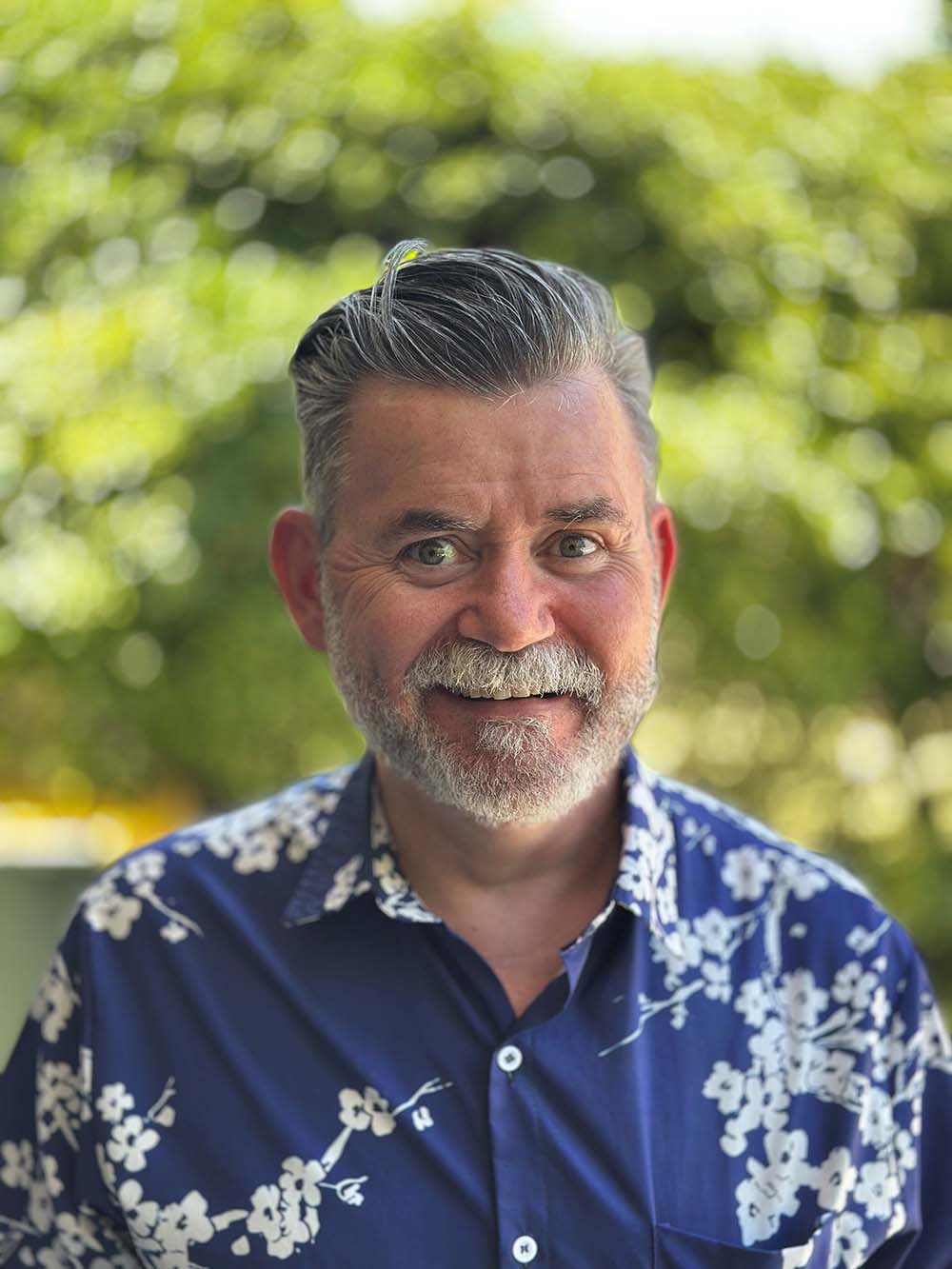
Stroke recovery patient Jarrod shares his story

Jarrod Healey, stroke recovery patient Patient Jarrod smiling having recovered from care after a stroke
06/08/2026

Jarrod Healey was struck with a major stroke on Boxing Day, where everything changed in an instant.

From living an active and independent life, Jarrod was now faced with a life-threatening emergency and an uncertain future.

He says that Sir Charles Gairdner Hospital (SCGH) was where his life was saved, due to a radiologist who recognised the seriousness and understood immediate action was critical.

He urges everyone to be aware of the signs of stroke, known as F.A.S.T (Face, Arms, Speech, Time), to if recognised to seek help immediately.

"Do not assume you are too young, too active or too healthy to have a stroke. It can happen suddenly, without warning, and it can change your life in seconds," he said.

"That decision set everything in motion. The specialist team at SCGH were able to restore blood flow to my brain through multiple procedures which saved my life, and I will always be grateful that the right person was there at exactly the right time," he said.

"The skill, urgency and judgement of the radiologist, neurosurgeons, stroke specialists, doctors, nurses and intensive care staff gave me the chance to survive and return home to my family.

"I will never forget the people who cared for me during the most frightening and vulnerable time of my life.

"Those procedures did more than save my life. They gave me a future.”

Jarrod's recovery has required determination, patience and learning, but the treatment he received gave him another chance not only to live but to rebuild his independence and return to the things he loved, creating a meaningful life after stroke.

He says his strongest advice is never to ignore the signs of a stroke and never wait to see whether the symptoms will pass.

"Stroke treatment is extremely time-sensitive. Every minute without adequate blood flow can cause further damage to the brain. Calling an ambulance immediately may give doctors the opportunity to provide lifesaving treatment, including a thrombectomy."

"You never expect something like this to happen to you. I certainly did not, and I am alive today because people acted quickly."

This week marks National Stroke week, a time to focus on the importance of the F.A.S.T message (Face, Arms, Speech, Time), to help others recognise stroke signs and seek help immediately.

The SCGH neurology department diagnose and treat strokes across WA, with the Neurology Rapid Access Clinic available to provide timely assessments, reducing wait times and unnecessary Emergency Department visits.
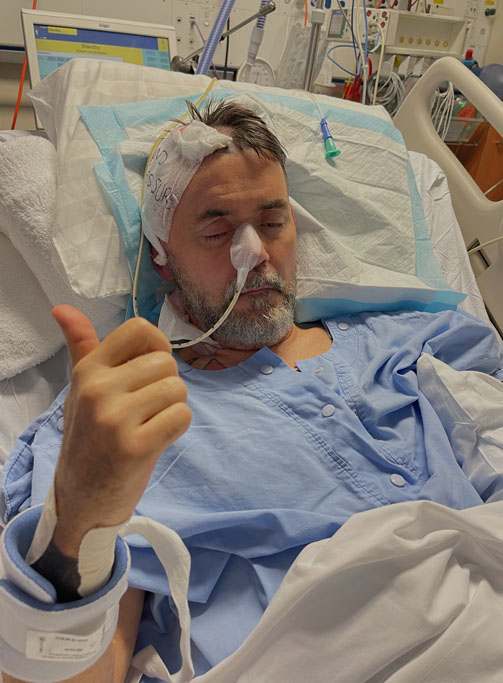
 

Jarrod Healey, stroke recovery patient

Patient Jarrod at SCGH receiving care for a stroke.

Previous Next
Last Updated: 06/08/2026
  • Facebook
  • Instagram
  • LinkedIn
  • YouTube

Footer menu

  • wa.gov.au
  • Copyright
  • Disclaimer
  • Privacy
  • Sitemap
  • Contact Us

Brought to you by the Department of Health, Western Australia

© Government of Western Australia 2018 to